Starlit Journeys Across Ancient Mountains and Sea
Step into guided astrophotography retreats in Welsh National Parks, where Eryri’s jagged ridgelines, Bannau Brycheiniog’s sweeping reservoirs, and Pembrokeshire’s luminous horizons welcome your tripod and curiosity. Expect hands-on instruction, safe night navigation, local lore, and warming tea between exposures, while you compose the Milky Way above storied peaks and quiet coves. Subscribe, ask questions, and tell us what sky moment you dream of capturing; we’ll help you plan it with heart and precision.
Timing the Milky Way Arc
At Wales’s latitude, the bright galactic core lifts into view roughly March through October, arching steeply in spring pre-dawn and sinking later after summer twilight retreats. Around solstice, true darkness can be scarce, so compositions favor twilight glow, reflections, and silhouettes. We teach planning tools, sample timelines, and efficient field routines, helping you extract every usable minute from brief astronomical windows without feeling rushed or overwhelmed.
Reading the Moon for Texture and Shadow
A slim crescent can tease texture from slate walls, gentle hills, and lake edges, while a new moon reveals a dense river of stars. Quarter phases sculpt Pen y Fan’s ridges and lend forgiving foreground contrast. We practice choosing shutter speeds that respect lunar brightness, balancing ISO and aperture for natural tonality. You’ll discover how subtle moonlight separates subject from sky, reducing noise and guiding eyes through your scene deliberately.
Chasing Showers and Conjunctions
Perseids in August and Geminids in December can turn quiet frames electric, while occasional planetary pairings paint conversational punctuation near familiar constellations. We demonstrate radiant positioning, interval strategies, and respectful light etiquette so group shutters harmonize. You’ll learn to verify radiant altitude, anticipate composition shifts, and weave fleeting streaks or bright alignments into narratives that feel intentional, not accidental, even when Welsh weather reshuffles plans with mischievous, sea-scented breezes.
Landmarks that Love Starlight
Certain places resonate after dark: lakes that mirror nebulae, tors that become sentinels, and headlands that frame constellations like cathedral windows. Eryri and Bannau Brycheiniog are celebrated for officially designated dark skies, while Pembrokeshire’s Atlantic edge offers vast horizons and briny clarity. We match sites to sky targets, accessibility, and safety, building flexible location plans that honor conditions, wildlife, tides, and your creative goals with equal parts patience and delight.

Eryri’s Rugged Silhouettes
Think Tryfan’s unmistakable profile, Cwm Idwal’s cirque, or the twin jewels of Llynnau Cregennen reflecting starfields like scattered coins. As an International Dark Sky Reserve, Snowdonia often yields rewarding contrast between ancient rock and celestial river. We workshop scouting daylight vistas, plotting return angles, and composing reflections that survive late breezes. An autumn anecdote: mist lifted for ten minutes at Llyn y Dywarchen, and two students captured perfect mirrored Scutum.
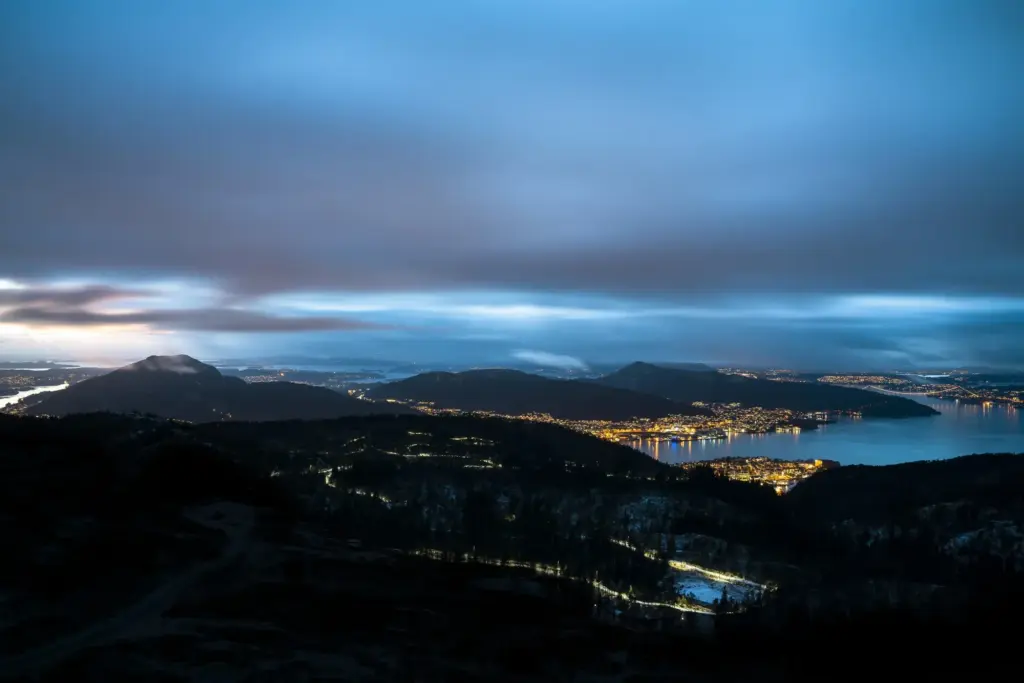
Bannau Brycheiniog’s Open Reservoirs
Usk Reservoir, Llangorse Lake, and the Pen y Fan skyline give you generous sightlines, easy orientation, and placid foregrounds that adore star arcs. Recognized as an International Dark Sky Reserve, the park’s rolling openness invites graceful arcs, tracked mosaics, and quiet contemplative frames. We discuss safe pull-ins, wind angles, and dew patterns, then practice long exposures that respect nearby farms. Expect slow breaths, wool hats, and a sky that hums softly.
Pembrokeshire’s Coastal Horizons
Sea stacks, natural arches, and tidal coves create bold geometry for constellations and the galactic band. With Dark Sky Discovery Sites and expansive marine vistas, Pembrokeshire rewards careful tide timing, sturdy footwear, and wind-smart layering. We emphasize cliff safety, headlamp discipline, and scouting exits before darkness. Some nights, faint airglow tinges the horizon; on rare evenings, bioluminescence stitches surf with sparks, letting your long exposures gather ocean whispers beneath patient stars.
Gear That Earns the Night
Core Kit, Chosen with Purpose
A sturdy tripod, a body that shoots clean RAW at higher ISO, and a fast 14–24mm complement most Welsh nightscapes. We coach sensible exposure limits, focusing by star, and composing with intent rather than spray-and-pray. Spare batteries ride close to warmth, custom buttons quicken night handling, and simple interval routines reduce fumbling. You’ll leave with muscle memory that stays steady when wind nudges and clouds whisper new possibilities.
Smart Add‑ons for Welsh Weather
Dew straps and hand warmers protect optics when Atlantic moisture settles. Lightweight rain covers shield gear as showers pass, while merino layers and a thermos keep you alert, not shivering. A compact star tracker, used judiciously, opens cleaner details for sky panels without overwhelming your workflow. We’ll prep dry bags, label pockets for dark handling, and test everything before departure, so the only surprise is how calm the night feels.
Fieldcraft That Protects Your Vision
Good etiquette preserves night sight and companionship. Red lights stay low and dim, group calls are clear and brief, and screens wear deep-blue filters or hoods. We angle lamps away from wildlife paths, avoid intrusive light-painting, and keep foreground adjustments minimal. You’ll practice deliberate movements, tripod placement courtesy, and quiet countdowns before exposures. The result is focus without friction, where everyone’s histogram improves alongside patience, trust, and shared wonder.

Guidance That Builds Confidence
Each retreat weaves mentoring into moments: scouting, composing, shooting, and reflecting. We translate forecasts into friendly decisions, keep plans flexible with safe alternates, and coach live as the sky changes. You’ll absorb repeatable methods, not just lucky frames—how to read wind over water, judge transparency, pivot gracefully, and preserve energy. Our aim is independence through practice, so your next self-led night carries the same quiet certainty and joy.
Editing that Honors the Sky
Post-processing should preserve the breath of the night. We teach gentle denoising, careful color balance, and patient gradient control that respects airglow and the faintest dust lanes. Stacking and masking are tools, not crutches, chosen to support your field intent. You’ll leave with a simple, repeatable workflow and a practiced eye for restraint, so viewers feel cool air, hear distant water, and trust the honesty of your starlight.
Retreat Rhythm and Community
A retreat is a circle of evenings and mornings, not just exposures. We gather before dusk, check layers, test focus, and warm up compositions. After shooting, we share snacks, stories, and safe returns. Mornings invite review and quiet edits, celebrating wins and learning from near-misses. Join our list, ask for dates, or share your goals; we’ll help tailor a weekend where stars, safety, and friendship align beautifully.